
Formulating with natural botanical extracts means navigating between 4 requirements that do not always align: formula stability, batch traceability, content of active molecules, and regulatory compliance (organic, COSMOS, IFRA).
Essential oils gain their reputation for stability and biochemical strength. Hydrolats should be prioritized if you are working with the aqueous phase or a leave-on product.
Whether you’re a laboratory or a cosmetic brand, you know it: how to trust aromatherapy in the face of these dilemmas?
This guide provides the perspective of a producer-distiller with expertise deeply rooted in the reality of upstream production.
Our selection of the 11 essential oils and must-have hydrolats
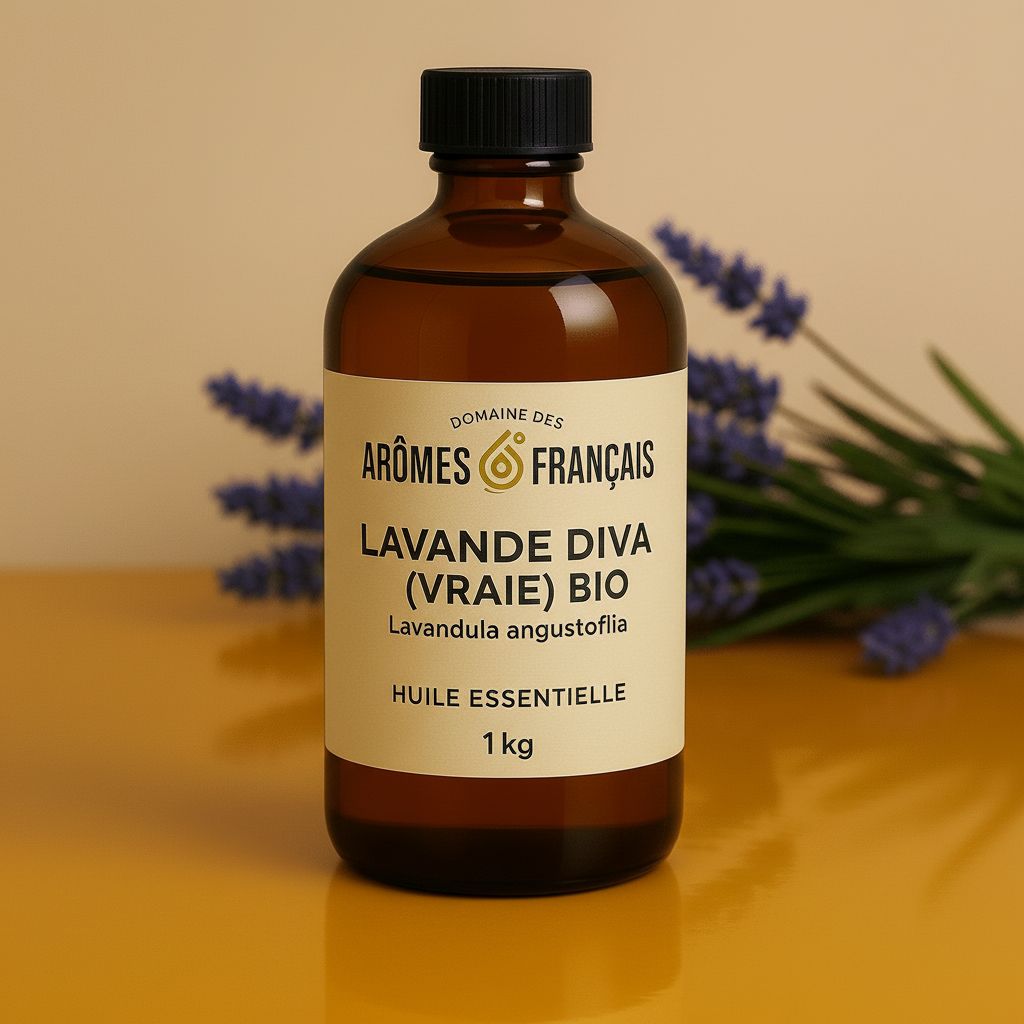
Fine Lavender — Essential Oil
Pros – ✅ The most versatile for cosmetic formulation – ✅ Exceptional skin tolerance, even for babies – ✅ COSMOS compatible – ✅ Abundant production available
Cons – ❌ Low yield compared to lavandin (higher cost)
Lavender — Hydrolat
Pros – ✅ The most versatile of hydrolats – ✅ Universal tolerance in an ideal tonic or lotion base – ✅ Ideal for soothing post-shave irritation or in lotion bases
Cons – ❌ Subtle sensory effect when used alone

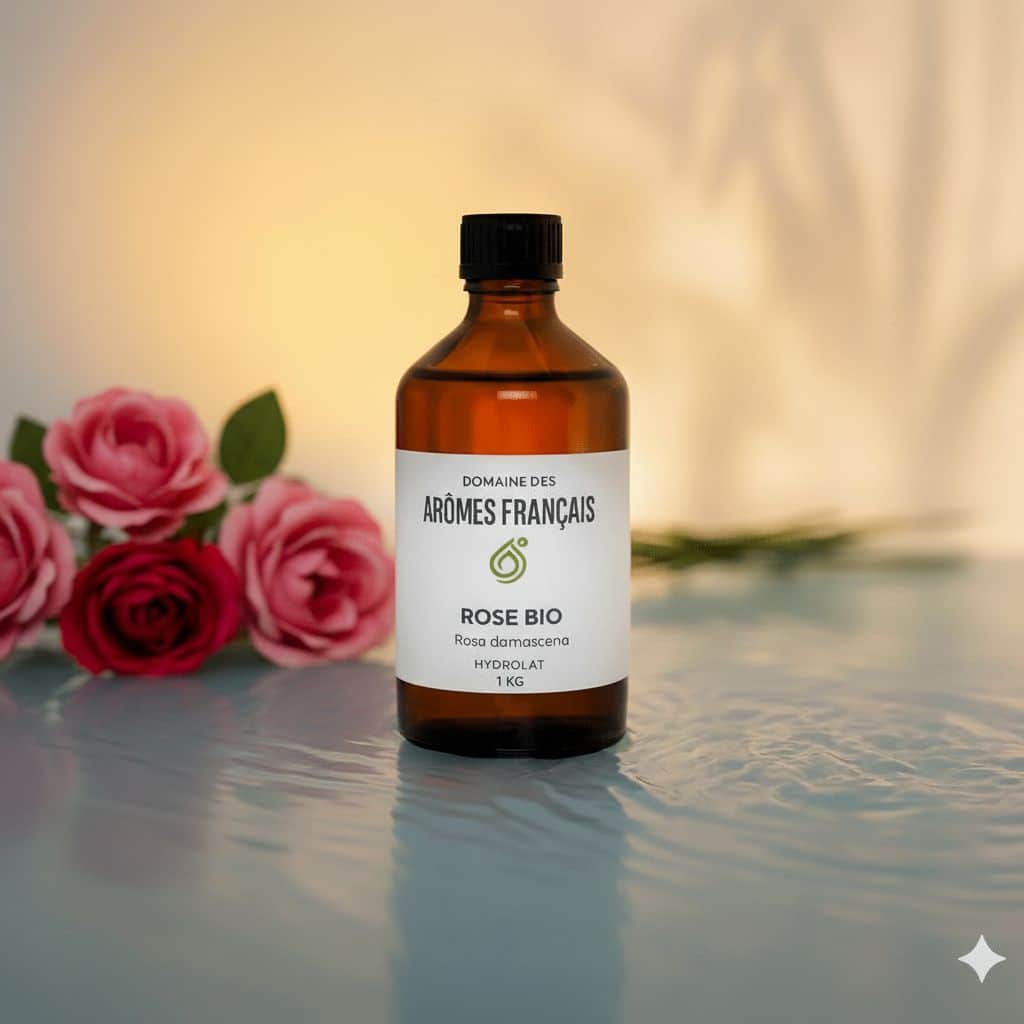
Damask Rose — Hydrolat
The pros – ✅ Premium ingredient recognized on the cosmetic market – ✅ Documented anti-aging and regenerating active – ✅ Luxurious natural floral scent – ✅ pH 4.2–5.0 compatible with delicate skin
The cons – ❌ The most expensive of the hydrosols. Limited quantities depending on the harvest
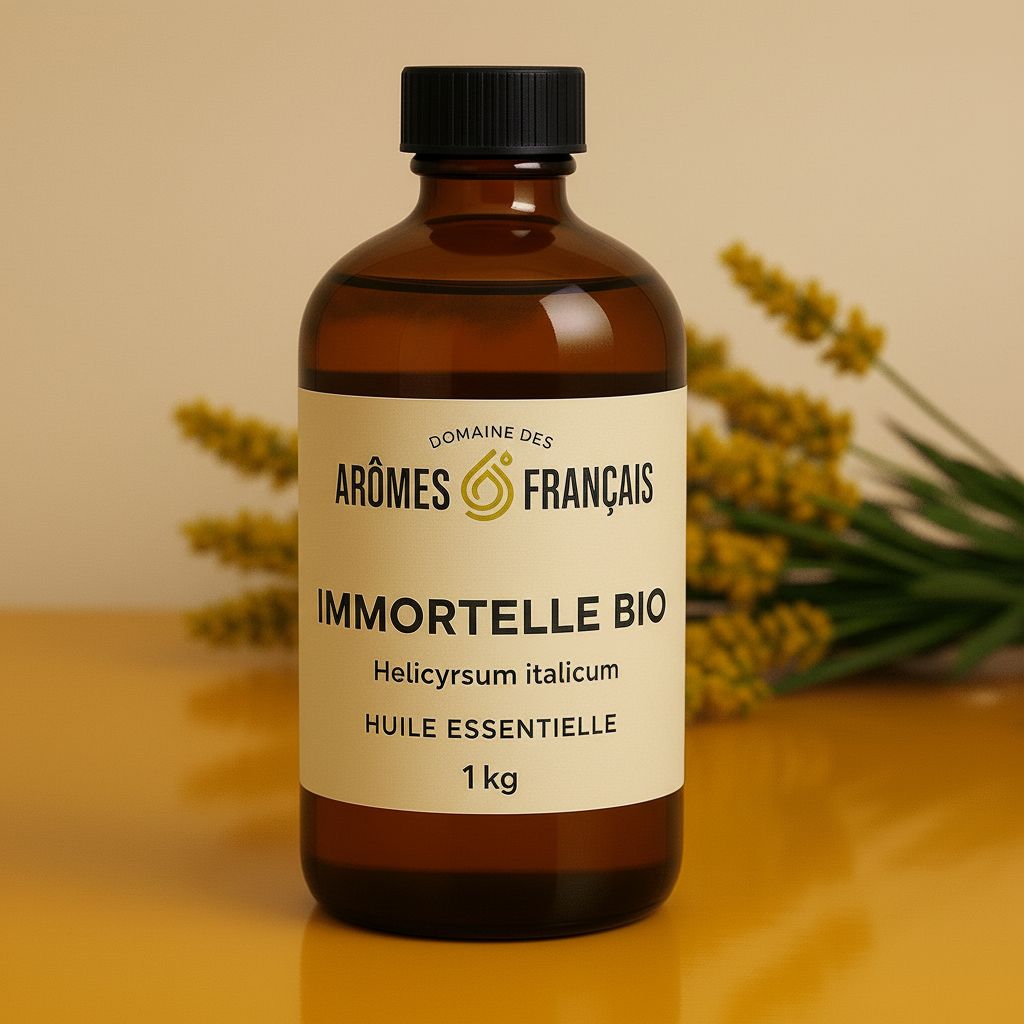
Immortelle — Essential Oil
The pros – ✅ Active on microcirculation – ✅ Recognized cellular regenerator – ✅ No known allergies – ✅ Corsican version available
The cons – ❌ Seasonal availability with limited stock
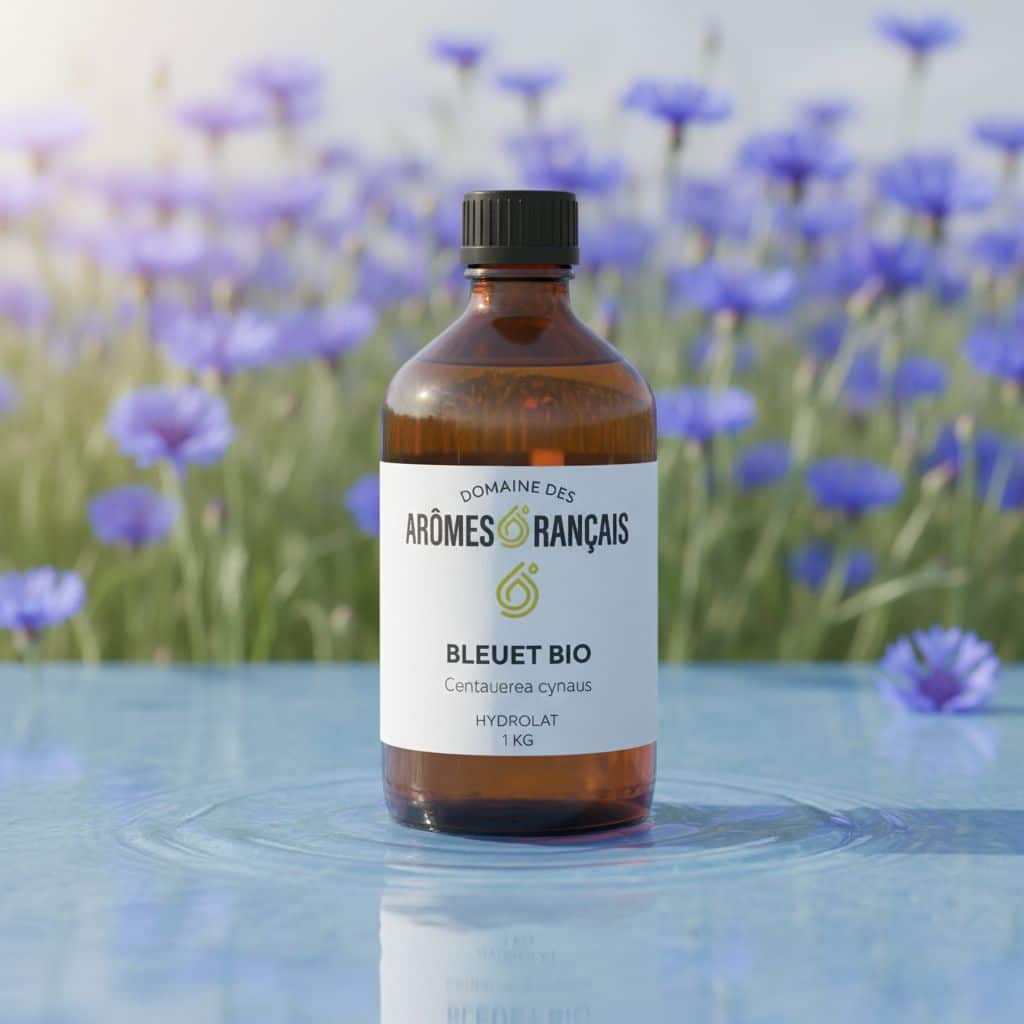
Cornflower — Hydrosol
The pros – ✅ Recognized safe for the periocular area – ✅ Subtle tonic without strong scent – ✅ pH 4.5–5.5
The cons – ❌ Limited activity on oily or acne-prone skin
Italian Helichrysum — Essential Oil
The pros – ✅ Gentle healing compatible with reactive skin – ✅ Documented anti-inflammatory active – ✅ Excellent allergy profile
The cons – ❌ Low distillation yield with high price
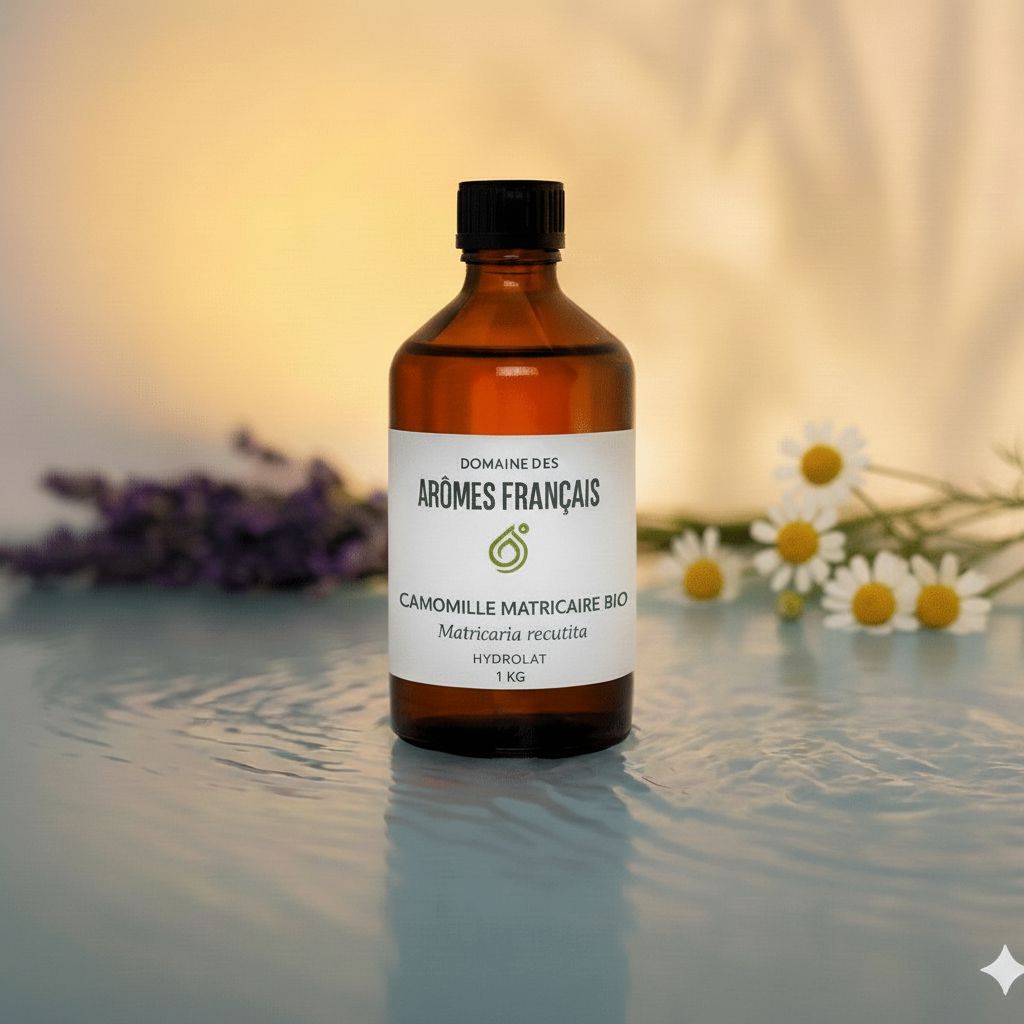
Matricaria Chamomile — Hydrosol
The pros – ✅ Active anti-inflammatory (azulene) – ✅ Famous for its blue color due to chamazulene
The cons – ❌ Although very soothing, it is less marketed than Roman chamomile in long circuits because it degrades very quickly
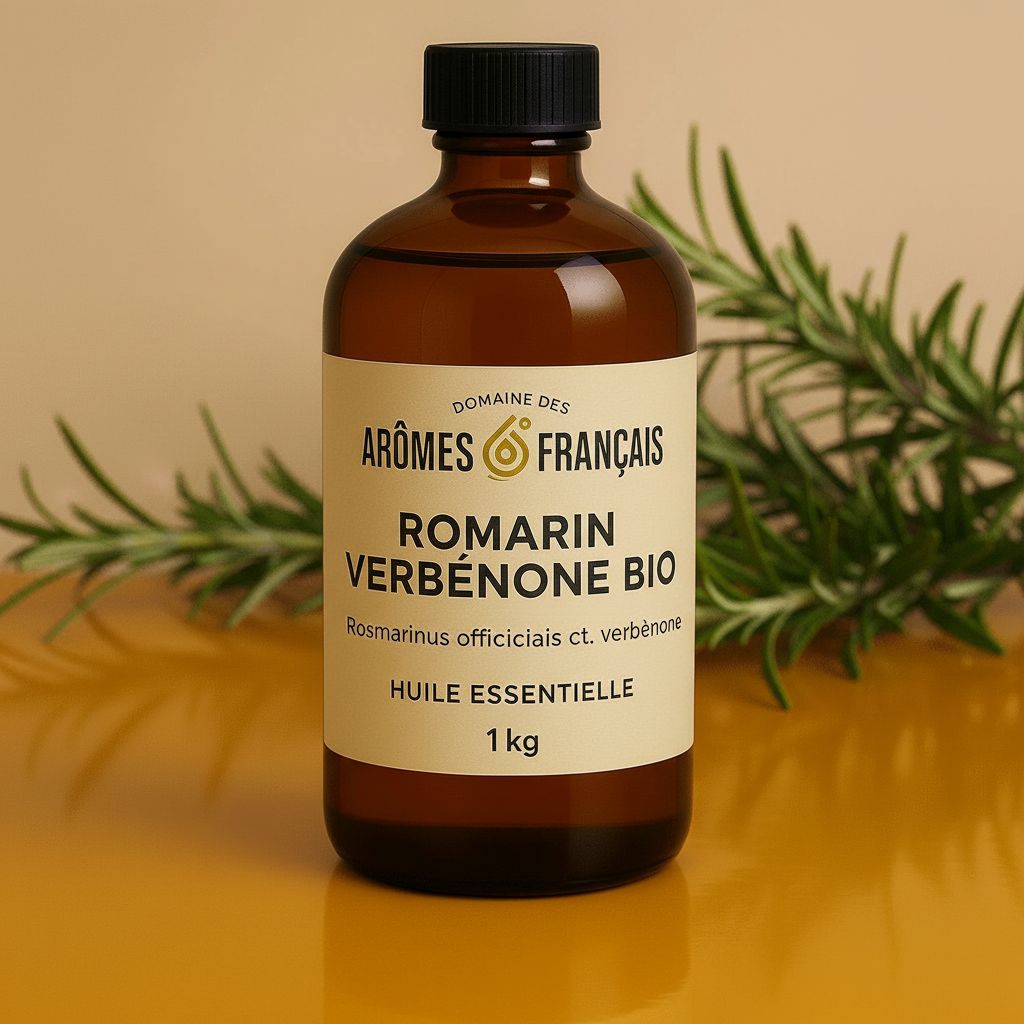
Verbena Rosemary — Essential Oil
The pros – ✅ Unlike other rosemaries, this is the ultimate cosmetic chemotype – ✅ Documented regenerating and lipolytic active
The cons – ❌ Even more contraindicated in pregnancy and with a history of epilepsy
Orange Blossom – Hydrosol
Pros – ✅ Excellent tolerance – compatible with baby care – ✅ Universal soft floral scent – ✅ Recognized calming active ingredient
Cons – ❌ Variable price depending on origin and distillation
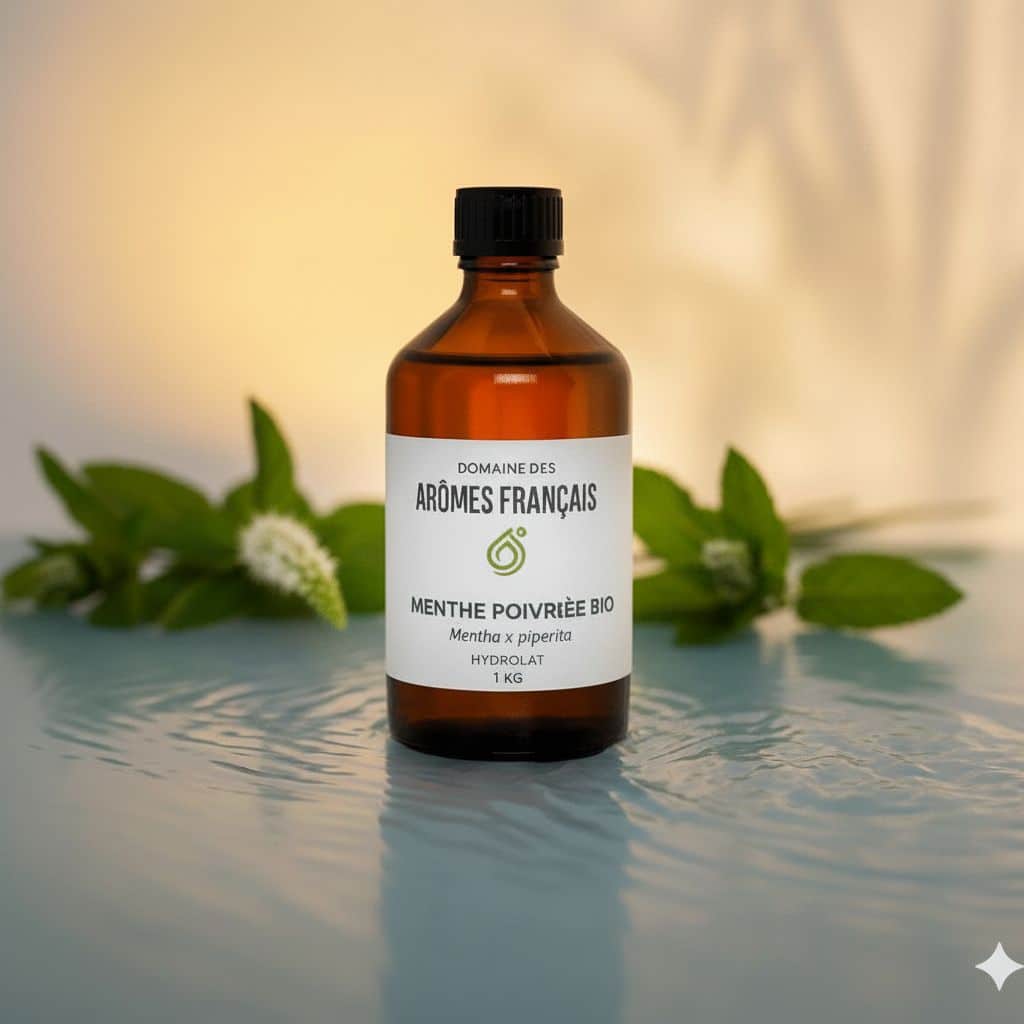
Peppermint – Hydrosol
Pros – ✅ Immediate refreshing effect – ✅ Decongestant for the scalp – ✅ Good tolerance in formulation
Cons – ❌ Less tonic effect than expected with essential oils
How to formulate essential oils or hydrosols while ensuring regulatory compliance?
All formulations must now refer to the 51st amendment of the IFRA standards (notified in June 2023). This text imposes strict limits based on aggregated exposure to avoid sensitization.
Essential oils are a major source of declarable allergens: linalool (Lavandula angustifolia), geraniol (Rosa damascena), citral (citrus), isoeugenol (Cananga odorata).
The Problem: Identifying components to declare by batch
The biochemical composition of an essential oil varies from one batch to another depending on the season, soil, and distillation date. A supplier who does not provide GC/MS chromatography by batch leaves you working with generic data, incompatible with precise IFRA calculations and reliable allergen declarations in your safety data sheet.
The Response from Domaines des Arômes Français: An analysis report
For each batch, we provide complete GC/MS chromatography: detailed composition by percentage per molecule, batch number, distillation date, origin of the plot.
How to order in bulk (MOQ, formats, timelines)?
We cater to professionals: cosmetic laboratories, clean beauty brands, independent formulators, soap makers, and training organizations.
The problem: high MOQs and incomplete documentation from traditional suppliers
Many cosmetic subcontractors impose minimum orders that are too large, incompatible with a R&D phase or a small batch. Certificates are generic, not linked to the delivered batch, or insufficient for a COSMOS audit or EU market launch.
The response from Domaine des Arômes Français: from 1 kg, with all documentation
MOQ: from 1 kg on our e-commerce — turnkey order, with no long-term commitment for initial orders. For custom needs (specific chemotype, non-catalog format, non-standard volume), we work on a quote basis.
Available formats: amber glass bottles of 1 L for essential oils, 5 L / 25 L drums for professional bulk, 1 L glass bottles for hydrosols. Packaging available upon request. This includes light-protective glass or stainless steel.
Timelines: For the e-commerce format, shipping within 2 to 5 business days (France). Seasonal products (Helichrysum, Damask Rose, Immortelle): pre-order recommended.
Sources
Abdelouahab, N., & Amamra, N. H. (2020). Study of the chemical composition of essential oils from three medicinal plants (Master’s thesis). University Constantine 1.
Festy, D. (2018). My bible of essential oils. Editions Leduc.s.
Hay, Y.-O., Abril-Sierra, M. A., Sequeda-Castañeda, L. G., Bonnafous, C., & Raynaud, C. (2018). Evaluation of combinations of essential oils and essential oils with hydrosols on antimicrobial and antioxidant activities. Journal of Pharmacy & Pharmacognosy Research, 6(3), 216-230.
IFRA. (2023). IFRA 51st Amendment: Guidance for the use of IFRA Standards. International Fragrance Association.
Marchand, J. (2019). Use of aromatherapy in the treatment of stress and insomnia (Doctoral thesis in pharmacy). University of Lorraine.
Piochon, M. (2008). Study of essential oils from plant species of the Laurentian flora: Chemical composition, pharmacological activities, and hemi-synthesis (Master’s thesis). University of Quebec at Chicoutimi.